Indigenous trade at the heart of South America
Nicaragua is the largest country in Central America, known for its rich culture, diverse ecosystems, and historical significance.
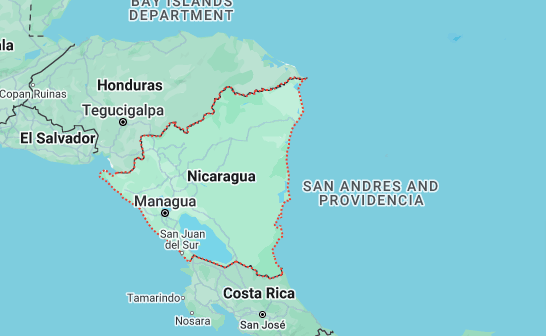
Geography
Location: Bordered by Honduras to the north, Costa Rica to the south, the Caribbean Sea to the east, and the Pacific Ocean to the west.
Area: Approximately 130,373 square kilometers (50,337 square miles).
Natural Features: Home to lakes (like Lake Nicaragua), volcanoes (including Masaya and Concepción), and tropical rainforests. The country has a variety of climates and landscapes, from coastal areas to highlands.
History
Pre-Columbian Era: Inhabited by various indigenous groups, including the Nicarao people. The region was known for its rich culture and trade.
Spanish Colonization: Conquered by Spain in the 16th century, Nicaragua became part of the Spanish Empire.
Independence: Gained independence from Spain in 1821, and later became part of the Mexican Empire before fully establishing its sovereignty.
Civil Conflict: The 20th century was marked by political instability, including the Sandinista Revolution in the late 1970s and subsequent Contra War during the 1980s.
Economy
Key Industries: The economy is primarily based on agriculture, including coffee, bananas, and sugar, as well as remittances from abroad. Tourism is also an important sector, drawing visitors to its natural beauty and historical sites.
Challenges: Nicaragua faces economic challenges, including poverty and unemployment, exacerbated by political instability and natural disasters.
Culture
Cultural Heritage: Nicaragua has a diverse cultural landscape influenced by indigenous, Spanish, and Afro-Caribbean traditions. The country celebrates various festivals, music, and dance forms, including the famous "Día de los Muertos."
Literature and Art: Notable literary figures include Rubén Darío, a key figure in modernist poetry. The country has a vibrant arts scene, especially in music and painting.
Current Issues
Political Climate: Nicaragua has been facing political turmoil, especially following the 2018 protests against President Daniel Ortega's government. This has led to widespread criticism regarding human rights and democratic practices.
Social Issues: Economic inequality and access to education and healthcare remain significant challenges for the population.
Copyright (C) S. Midttun, 2024