Indigenous trade at the heart of South America
Nepal is a landlocked country located in South Asia, known for its diverse geography, rich culture, and significant historical sites.
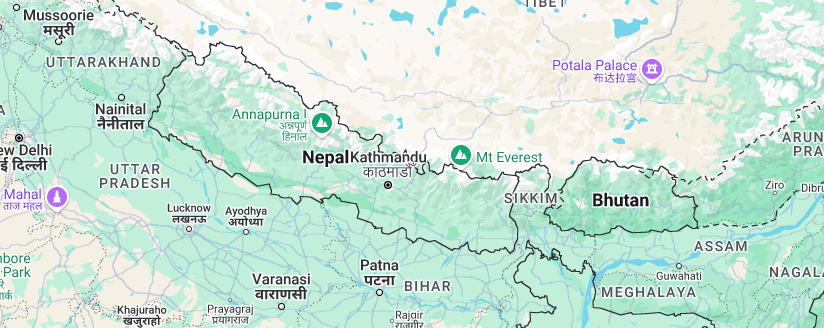
Geography
Location: Nestled between China (to the north) and India (to the south, east, and west), Nepal spans the southern slopes of the Himalayan mountain range.
Area: It covers approximately 147,516 square kilometers (56,956 square miles).
Terrain: The geography ranges from the flat plains of the Terai region to the towering peaks of the Himalayas, including Mount Everest, the world's highest mountain.
History
Ancient History: The Kathmandu Valley has been inhabited for thousands of years, with archaeological evidence suggesting human settlements as early as 300 BCE.
Unification: In the mid-18th century, King Prithvi Narayan Shah unified several small kingdoms into the modern state of Nepal.
Modern Era: Nepal was never colonized, maintaining its sovereignty despite British influence in the 19th century. It transitioned to a constitutional monarchy in the 20th century, followed by a decade-long civil war that ended in 2006.
Economy
Agriculture: Agriculture remains the backbone of the economy, employing a majority of the population. Key crops include rice, maize, and wheat.
Tourism: Nepal is renowned for trekking, mountaineering, and its rich cultural heritage, attracting millions of tourists annually to sites like the Annapurna Circuit and Lumbini, the birthplace of Buddha.
Challenges: The economy faces challenges, including political instability, infrastructure development, and vulnerability to natural disasters like earthquakes.
Government
Political System: Nepal is a federal democratic republic, established in 2008. The President is the head of state, while the Prime Minister is the head of government.
Administrative Divisions: The country is divided into seven provinces, each with its own local government.
Culture
Ethnic Diversity: Nepal is home to a rich tapestry of ethnic groups, languages, and religions, primarily Hinduism and Buddhism.
Festivals: Major festivals include Dashain, Tihar, and Holi, celebrated with various customs and rituals.
Arts and Crafts: Nepal is known for its traditional crafts, including thangka painting, pottery, and wood carving.
Current Issues
Political Stability: Nepal has faced ongoing political challenges, including factionalism and governance issues.
Environmental Concerns: The country is susceptible to the impacts of climate change, particularly in the mountainous regions.
Copyright (C) S. Midttun, 2024