Indigenous trade at the heart of South America
Finland is a Nordic country located in Northern Europe, known for its beautiful landscapes, high quality of life, and strong education system.
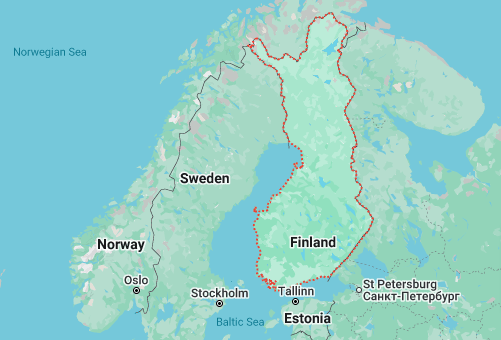
Key Facts
Capital: Helsinki
Official Languages: Finnish and Swedish
Population: Approximately 5.5 million
Currency: Euro (€)
History
Early Settlement: The region has been inhabited for thousands of years, originally settled by the Sámi people.
Swedish and Russian Rule: Finland was part of Sweden until 1809, when it became a Grand Duchy of the Russian Empire. Finland declared independence in 1917.
World Wars: Finland fought in the Winter War and the Continuation War against the Soviet Union during World War II, shaping its modern identity.
Economy
Economic Structure: Finland has a mixed economy with a focus on technology, manufacturing, and services.
Key Industries: Information technology, electronics, forestry, and machinery are significant contributors to its economy.
Exports: Major exports include machinery, electronics, and timber, with key trading partners like Germany and Sweden.
Culture
Education: The Finnish education system is globally recognized for its innovative and effective approaches to teaching.
Traditions: Finnish culture includes strong connections to nature, with various festivals celebrating seasons and customs.
Design and Architecture: Finland is famous for its design, with influences from figures like Alvar Aalto and brands like Marimekko.
Geography
Natural Beauty: Known for its thousands of lakes and forests, Finland's national parks, such as Nuuksio and Lemmenjoki, showcase its diverse ecosystems.
Climate: The country experiences cold winters and mild summers, with the Northern Lights being a spectacular natural phenomenon visible in the northern regions.
Finland's unique combination of natural beauty, progressive values, and rich cultural heritage makes it an intriguing destination.
Copyright (C) S. Midttun, 2024